

How Do You Create a Safe Sleep Environment for Your Baby?

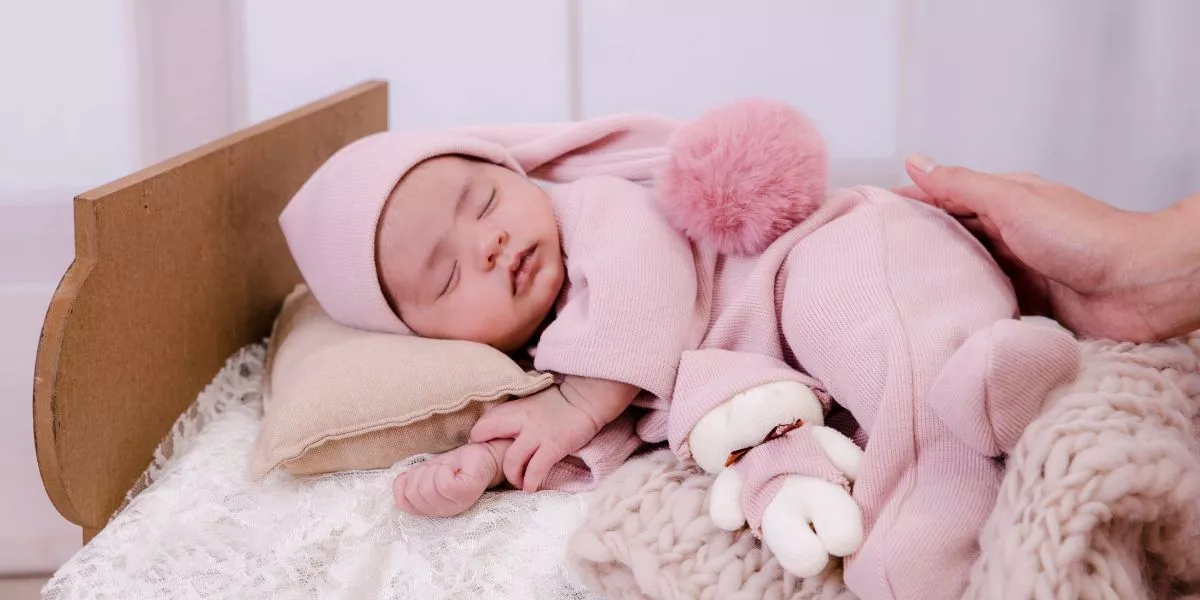
Creating a safe sleep environment for your baby is essential for their well-being. It starts with selecting the right crib and mattress, ensuring everything meets safety standards. You also need to consider safe sleep positions and maintain an optimal environment for your little one. But there’s more to it than just basics; establishing a consistent routine and monitoring safety aspects can make a significant difference. Let’s explore what you need to know.
Choosing the Right Crib and Mattress
When it comes to creating a safe sleep environment for your baby, choosing the right crib and mattress is essential.
Look for a crib that meets current safety standards, ensuring it has no sharp edges or loose parts. Opt for a firm mattress that fits snugly in the crib without any gaps, reducing the risk of suffocation.
Avoid using soft bedding, pillows, or toys inside the crib; these can pose hazards to your little one. Consider a crib with adjustable mattress heights to accommodate your baby’s growth.
Lastly, always check for recalls on cribs and mattresses to keep your baby safe.
Understanding Safe Sleep Positions
After setting up a safe crib for your baby, understanding safe sleep positions is the next step in promoting healthy sleep habits.
Always place your baby on their back for every sleep, whether it’s naptime or nighttime. This position significantly reduces the risk of Sudden Infant Death Syndrome (SIDS). Avoid placing your baby on their stomach or side, as these positions can be unsafe.
You should also ensure that the sleep surface is firm and free of soft bedding, pillows, or toys that could pose a suffocation hazard.
As your baby grows and begins to roll over, continue to place them on their back but allow them to find their own sleeping position. Always prioritize their safety during sleep.
Maintaining an Optimal Sleep Environment
Creating an optimal sleep environment for your baby is crucial for promoting restful sleep and ensuring their safety.
Start by choosing a quiet, dimly lit room that’s free from distractions. Maintain a comfortable room temperature, ideally between 68-72°F, to prevent overheating. Use a firm mattress in a safety-approved crib, and avoid soft bedding, pillows, or toys, which can pose a suffocation risk.
Consider using blackout curtains to block out external light and white noise machines to drown out disruptive sounds. Regularly check the air quality, ensuring it’s fresh and free from allergens.
Lastly, keep the sleep area clutter-free, creating a calm and peaceful space that supports your baby’s deep sleep and overall well-being.
Establishing a Sleep Routine and Monitoring Safety
To ensure your baby gets the best sleep possible, establishing a consistent sleep routine is essential. Start by setting a regular bedtime and sticking to it every night.
Creating a calming pre-sleep ritual, like a warm bath or gentle lullabies, signals to your baby that it’s time to wind down.
Once your routine is in place, monitor your baby’s sleep environment for safety. Always place your baby on their back to sleep, use a firm mattress, and keep the crib free from soft toys and bedding.
Regularly check the room temperature and ensure it’s comfortable. By prioritizing both routine and safety, you’ll help your baby develop healthy sleep habits while providing peace of mind for yourself.
Conclusion
Creating a safe sleep environment for your baby is crucial for their well-being. By choosing a safe crib and mattress, positioning your baby correctly, and maintaining an optimal sleep space, you set the stage for healthy sleep habits. Don’t forget to establish a consistent sleep routine and regularly check the environment for safety. With these steps, you can help ensure your baby sleeps soundly and safely, giving you peace of mind as a parent.